
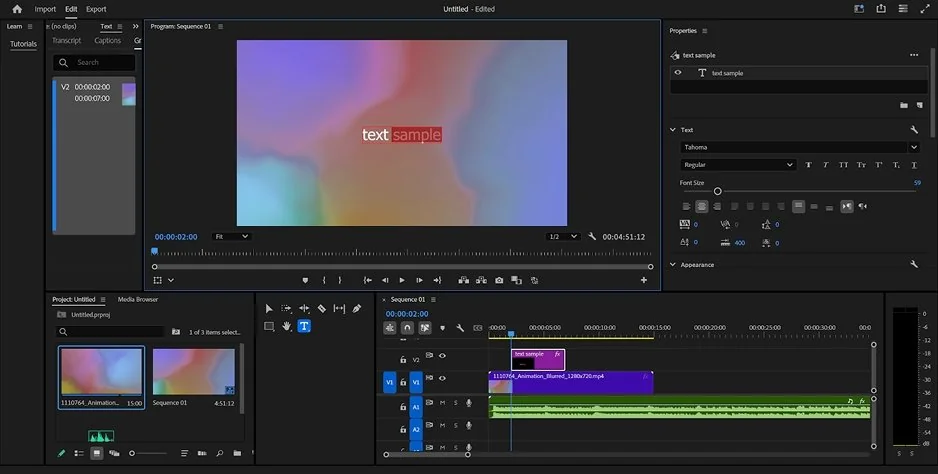
Premiere® Pro Won't Open? Fixes to Launch It Fast

Edited by
Ben Jacklin
5,029

When Premiere® Pro won't open, it can bring your entire editing workflow to a frustrating halt right when you're on a deadline. The good news is that this is one of the most common issues editors face, and it's almost always fixable at home. In this guide, you'll learn why the app fails to launch, from corrupted preferences and outdated drivers to plugin conflicts and cache problems, plus step-by-step solutions to get you back to editing fast.

Step 1. Restart and reset the essentials

Before you dive into complicated troubleshooting, rule out the basics. A surprising number of launch failures come from something small and temporary, like a background process that got stuck or a system that simply needs a fresh start. These quick checks take only a minute or two, and they often solve the problem entirely, saving you from unnecessary reinstalls or deeper fixes down the line.

Start by fully closing the application. On Windows, open Task Manager and end any lingering Adobe processes. On a Mac, use Force Quit to do the same. Sometimes the software thinks it's already running even when no window appears, which quietly blocks it from opening again. Clearing out these leftover processes gives the program a clean slate to launch from.

Next, restart your computer. It sounds almost too obvious, but a reboot clears temporary memory, releases locked files, and resets connections between your hardware and software. Many editors skip this step out of impatience, only to discover it was the fix all along. Give your machine a full restart rather than just putting it to sleep.

Finally, confirm that your system meets the current requirements and that no other heavy programs are hogging resources. Close browser tabs, rendering tools, or other editing apps running in the background. If your drive is nearly full, free up some space, since insufficient storage can prevent the software from starting properly.

Step 2. Update drivers and support software

If the basics didn't help and Adobe® Premiere® Pro is not opening, the culprit is often hiding underneath the application itself. The software leans heavily on your computer's graphics card to handle playback and effects, and it relies on several supporting components to run smoothly. When any of these fall out of date or become mismatched, the program can stall before it ever reaches the workspace.

Begin with your graphics drivers. Visit the website for your GPU manufacturer, whether that's NVIDIA, AMD, or Intel, and download the latest version directly from the source rather than trusting Windows to find it automatically. Outdated or corrupted display drivers are one of the most frequent reasons editors find Premiere® Pro not launching, since the app checks for compatible graphics support the moment you click its icon.

Beyond drivers, the software depends on a handful of system frameworks to function. On Windows, make sure Microsoft Visual C++ Redistributables and the .NET framework are installed and current, as missing versions can quietly break the launch sequence. A quick round of Windows Update or macOS system updates will patch many of these gaps without any manual hunting.

Finally, open the Creative Cloud® desktop app and confirm that both it and your editing software are fully updated. Adobe frequently releases patches that address startup bugs tied to new operating system releases, so keeping everything current closes the door on a whole category of compatibility problems.

Step 3. Reinstall without losing your work

When you've tried the gentler fixes and Premiere® Pro is not opening on Windows, a full reinstall is usually the reliable reset that clears out whatever went wrong. The reassuring part is that reinstalling the application does not touch your actual projects. Your edits, sequences, and media live in separate files on your drive, completely apart from the program that opens them.

Before you remove anything, take a moment to locate your project files and note where they're stored. Copy your most important .prproj files and any linked footage to a backup folder or external drive. This isn't strictly necessary, but it's cheap insurance and gives you peace of mind while you work through the process.

Now uninstall the software properly. Rather than dragging it to the trash or deleting the folder, use the Creative Cloud® desktop app to remove it, which strips out the pieces a manual deletion leaves behind. For stubborn cases where Premiere® Pro won't open on a Mac even after a standard removal, Adobe offers a dedicated Creative Cloud® Cleaner Tool that scrubs away corrupted remnants and broken configuration files.

Once the old version is gone, reinstall the latest build through Creative Cloud® and launch it fresh.

Step 4. Fix activation and account errors

Sometimes the problem has nothing to do with the software itself and everything to do with your account. If Premiere® Pro won't launch and you've ruled out the technical causes, the issue may be a licensing hiccup. Adobe periodically checks that your subscription is active and that you're properly signed in, and when that verification fails, the app can refuse to start or quietly close moments after opening.

Begin by opening the Creative Cloud® desktop app and confirming you're logged into the correct account, since many people accidentally sign in with a personal address instead of the one tied to their plan. Check that your subscription is current and that no failed payment has paused it. A quick sign-out followed by a fresh sign-in often forces the system to reissue a valid license and resolve the conflict.

If problems linger, disconnect from any VPN and make sure your firewall isn't blocking Adobe's servers, as activation depends on a clean connection to verify your credentials. Once your account communicates properly with Adobe, the license should refresh and the application will open as expected.

Step 5. Track down third-party conflicts

Occasionally the editing software is perfectly healthy, but a neighboring program on your machine keeps tripping it up as it tries to start. Antivirus tools are frequent offenders, flagging Adobe files as suspicious and quarantining them before the app can finish loading. Try temporarily disabling your security software or adding an exception for the application, then attempt to launch again. Third-party plugins and extensions can cause similar trouble, especially after an update, so consider moving them out of their folder to see whether a bare-bones startup succeeds.

Screen recorders, streaming utilities, and other creative applications can also compete for the same graphics resources and system hooks, creating a standoff that stops your editor from opening. A helpful diagnostic is to perform a clean boot, which starts your computer with only essential services running. If everything launches fine in that stripped-down state, you can reintroduce programs one at a time until the guilty party reveals itself, then decide whether to update, replace, or remove it.

Still stuck? Reach out to Adobe support

If you've worked through every step and the application still refuses to cooperate, it's time to hand the problem to the professionals. Adobe's support team can dig into error logs, spot account-specific issues, and identify rare bugs that ordinary troubleshooting can't reach. Visit the official Adobe Help Center to start a live chat, browse community forums where other editors share fixes, or open a support ticket. Have your system details and any error messages ready, since that information helps them pinpoint the cause and get you back to editing far more quickly.

A simpler alternative: Movavi Video Editor
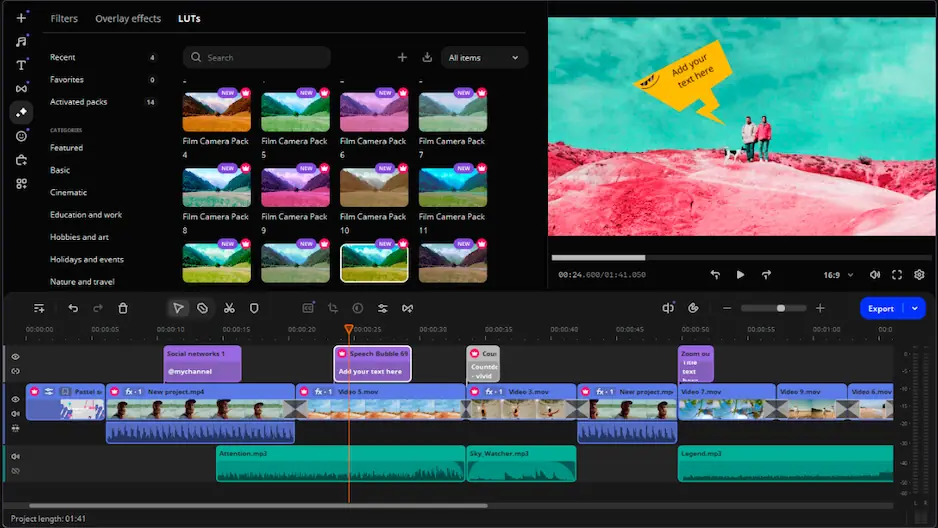
While you work through the troubleshooting steps, a stubborn launch problem can still leave you stranded mid-deadline. If you need to keep your project moving, Movavi Video Editor is a lightweight, beginner-friendly alternative worth having on hand. It runs comfortably on modest hardware, installs in minutes, and offers an intuitive layout that lets you trim, cut, and add effects without a steep learning curve.

Movavi won't replace a full professional suite for every workflow, but it's an excellent backup for finishing urgent edits or handling simpler projects. Having a reliable second option means a single software hiccup never has to stop your creativity in its tracks.
Have questions?
If you can’t find the answer to your question, please feel free to contact our Support Team.
Join us for discounts, editing tips, and content ideas

1.5M+ users already subscribed to our newsletter

By signing up, I agree to receive marketing emails from Movavi and agree to Movavi's Privacy Policy.