Premiere® Pro Crashes When Opening Projects? Fix It Now

Edited by
Ben Jacklin
4,457

Few things derail a video project faster than Premiere® Pro crashing mid-edit, especially when you're racing a deadline. The good news: most crashes stem from a handful of fixable culprits: outdated drivers, corrupt preferences, insufficient RAM, or an overloaded media cache. Below, you'll find practical, step-by-step fixes, ranging from quick tweaks to deeper troubleshooting, to help you diagnose the root cause and get Premiere® Pro running smoothly and reliably again.

What's really causing the crash?

So, why does Premiere® Pro keep crashing? Before applying any fix, it's worth figuring out exactly when the program fails. Crashes rarely happen randomly. They're usually tied to a specific action, and identifying that pattern saves hours of guesswork. Start by asking yourself: does the crash happen the moment you launch the app, while importing footage, during playback, or when exporting a finished sequence?

If Premiere® Pro crashing on startup is your issue, the problem often lies in corrupted preference files, a damaged GPU driver, or a conflict with a third-party plugin that loads automatically. This type of crash is usually the easiest to isolate, since it happens before you've even touched your project.

On the other hand, if Premiere® Pro is not responding mid-session – say, while scrubbing the timeline or applying an effect – the cause is more likely related to insufficient RAM, a bloated media cache, or a demanding effect overwhelming your hardware.

Finally, some editors report that Adobe® Premiere® Pro keeps crashing specifically during export, which usually points to codec issues, corrupted media files, or outdated hardware acceleration settings. Narrowing down the trigger is the first real step toward a lasting solution.

Quick fixes without reinstalling

Before you consider a full reinstall, try a few simple fixes that resolve Premiere® Pro crashing issues in minutes. Start by restarting your computer. This clears temporary system conflicts that build up during long editing sessions. Next, open Premiere® Pro as an administrator (right-click the icon and select Run as administrator on Windows), which can bypass permission-related glitches that trigger instability.

If Premiere® Pro crashed recently and won't reopen properly, check for pending software updates. Adobe frequently releases patches that address known bugs, so navigate to Creative Cloud®, select Premiere® Pro, and click Update if one is available. Outdated versions are a common, overlooked source of instability.

Also worth checking: available disk space and background applications. Premiere® Pro needs breathing room to write temporary files, so free up storage if your drive is nearly full. Close resource-heavy programs like browsers with dozens of tabs or other editing software running simultaneously. Finally, try disabling GPU acceleration temporarily in the playback settings. This rules out driver conflicts without touching your installation.

GPU drivers and rendering engine conflicts

Graphics processing plays a huge role in the stability, and outdated or mismatched GPU drivers are a frequent reason Premiere® Pro keeps freezing during playback or effect rendering. Start by checking your graphics card manufacturer's website (NVIDIA, AMD, or Intel) for the latest driver version, since Adobe's software relies heavily on GPU acceleration for smooth performance. Installing an outdated or beta driver can introduce exactly the kind of instability you're trying to eliminate.

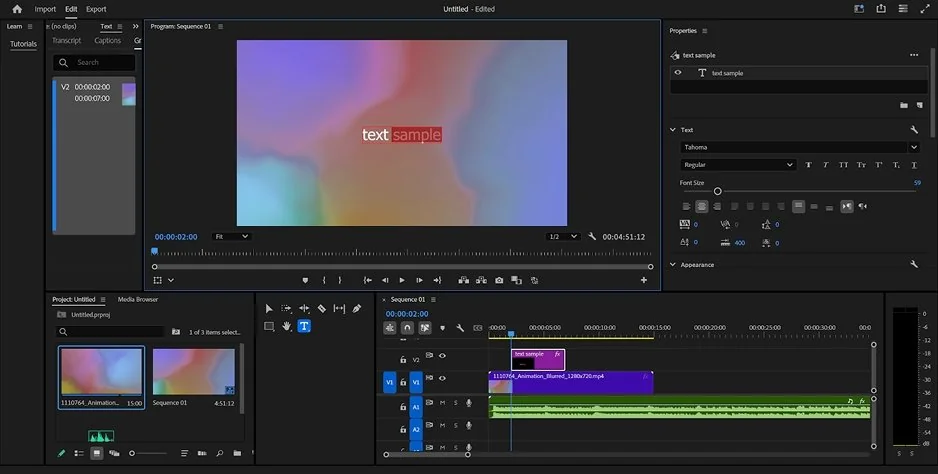
Next, check your rendering engine setting inside Premiere® Pro under FileProject SettingsGeneral. If it's set to a GPU-based option like CUDA or Metal, try switching to Software Only temporarily. This shifts processing load to your CPU and often resolves freezing tied to driver conflicts or unsupported hardware configurations.

If Premiere® Pro is always not responding specifically when you work with high-resolution footage or multiple video layers, your GPU may simply be underpowered for the task. In this case, lowering playback resolution or proxy settings can ease the strain until you're ready to export at full quality, giving your hardware some breathing room during editing.

How to reinstall without losing your projects

If none of the previous fixes worked, a clean reinstall is often the most reliable solution but it doesn't mean losing your projects. Before uninstalling, back up your project files (.prproj), along with any custom presets, LUTs, or effect templates stored in your user folder. These files are separate from the application itself, so removing Premiere® Pro won't touch them as long as they're saved outside the program's installation directory.

This step becomes especially important if Premiere® Pro freezes when saving, since a corrupted installation can sometimes damage project files during the save process itself. To avoid this risk, copy your active projects to an external drive or cloud storage first, and confirm the backup opens correctly before proceeding with the uninstall.

Once backed up, uninstall Premiere® Pro through the Creative Cloud® desktop app, then use Adobe's Creative Cloud® Cleaner Tool to remove any leftover files or registry entries that could carry over old bugs. Reinstall the latest version from Creative Cloud®, then simply reopen your saved .prproj files. Your sequences, edits, and settings will load exactly as you left them.

Getting direct help from Adobe

If you've worked through every fix above and the problem persists, it's time to reach out to Adobe Support directly. Their team can access deeper diagnostic logs, check for known bugs tied to your specific hardware or OS version, and offer solutions not publicly documented yet.

Before contacting them, gather your system specs, a description of when the crash occurs, and any error messages you've seen. This information speeds up troubleshooting significantly. You can reach Adobe through their official support chat, community forums, or by phone, depending on your subscription plan.

Alternative: Movavi Video Editor

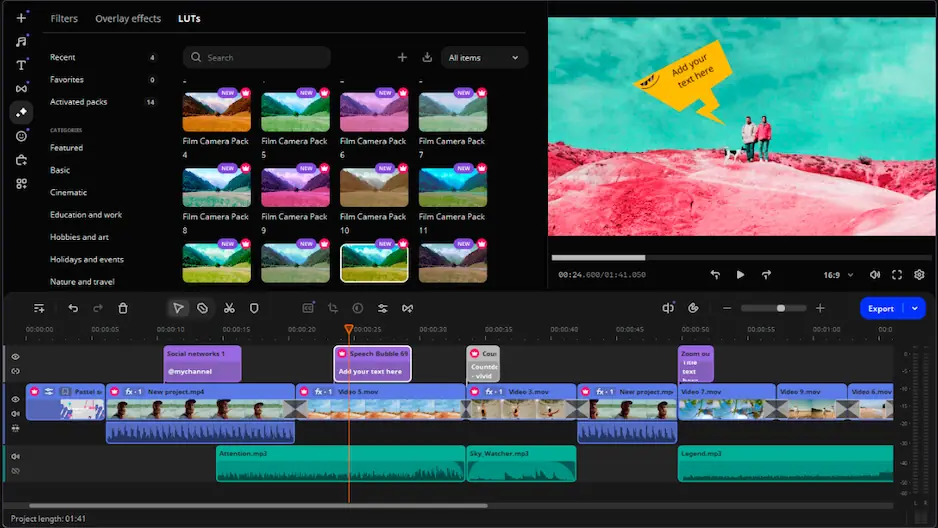
If crashes keep disrupting your workflow despite every troubleshooting attempt, switching software might be the most practical solution. Movavi Video Editor offers a lightweight, beginner-friendly alternative that runs smoothly even on modest hardware, making it ideal for editors who want reliability over complexity.

With an intuitive interface, built-in templates, and lower system requirements, Movavi handles everyday editing tasks – trimming, transitions, color correction – without the heavy resource demands that often trigger instability in more advanced programs.

Have questions?
If you can’t find the answer to your question, please feel free to contact our Support Team.
Join us for discounts, editing tips, and content ideas

1.5M+ users already subscribed to our newsletter

By signing up, I agree to receive marketing emails from Movavi and agree to Movavi's Privacy Policy.